
Ray-Ban Meta Low Bridge Fit: How to Choose the Right Frame Size
Compare Ray-Ban Meta low bridge fit, frame sizes and model codes. Use a practical try-on checklist for slipping glasses, cheek contact and temple pressure.
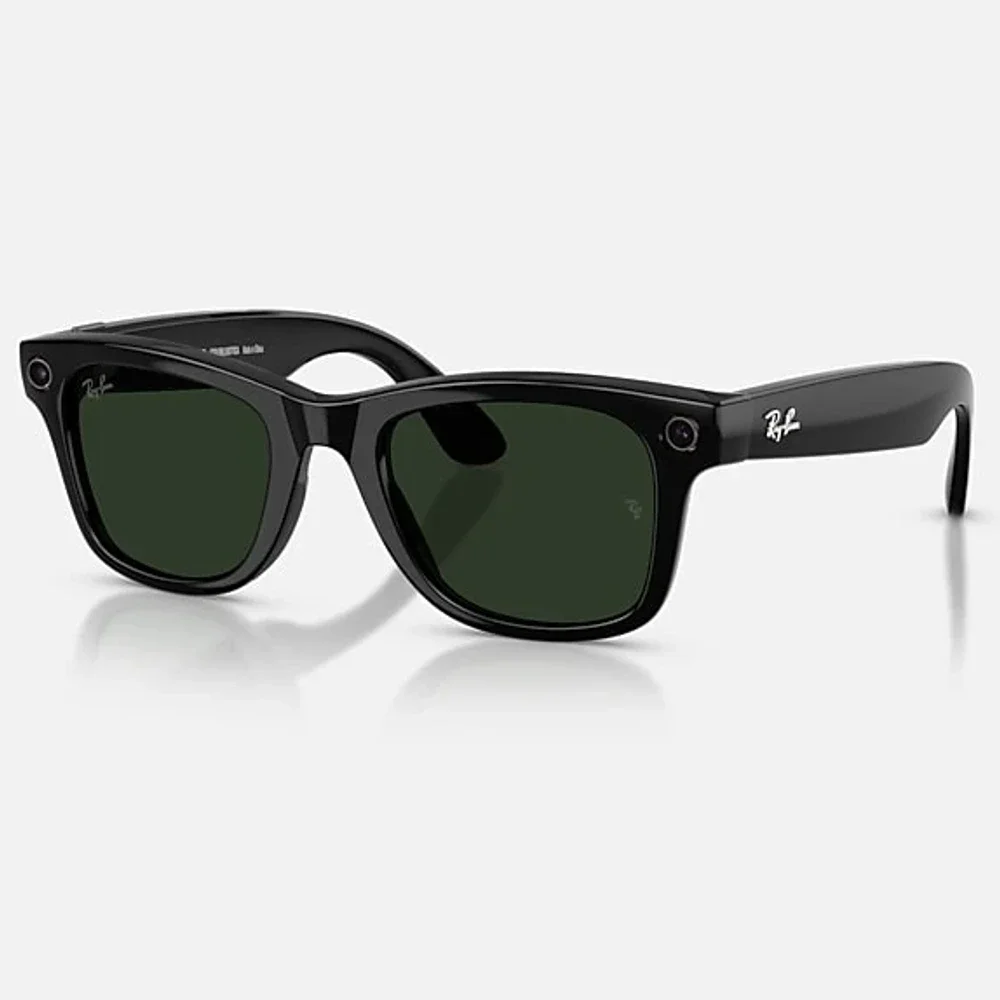
For Ray-Ban Meta low bridge fit, check the bridge label and the exact frame size separately. A larger size can give you wider lenses and longer temples while keeping the same bridge width. At the fitting, check where the frame rests as well as how wide it feels.
Ray-Ban's US listings give a useful example. Gen 2 Headliner is listed as 50-23 with High Bridge Fit, while the Low Bridge Fit Headliner is 51-23. Both list 150 mm temples. Compare how those two bridge designs support the frame when you try them on.
We checked Ray-Ban's US fit guide, product listings and support FAQ on November 1, 2026. The dimensions below come from those listings. We have not personally tried these frames or measured their fit on different faces. The Ray-Ban Meta Gen 2 directory entry provides the generation reference; use the exact model code when comparing a shop sample or online listing.
Read the Numbers on the Frame
Start with a pair of glasses you already find comfortable. Write down its complete model code and any size markings, then look up its dimensions if you can. Bring that record to the store.
Ray-Ban's US size and fit guide defines the two-number size by lens width followed by bridge width, in millimeters. On a 50-22 listing, 50 is the lens width and 22 is the bridge width. Record temple length separately. The linked Gen 2 Wayfarer 50-22 example below has 150 mm temples; its 53-22 counterpart lists 155 mm.
Copy the model code as well as the numbers. RW4013 and RW4013F identify different Headliner variants. If a retailer lists only "Headliner," ask for the complete code before comparing it with another pair.
Use your comfortable old glasses to narrow the first comparison. Even with matching numbers, the new frame may contact your nose and temples differently. Ask to try the proposed model with its exact size and bridge designation. Keep lens height or other published dimensions in your notes when cheek contact is the concern.
Separate Frame Size From Bridge Fit
On the product page, read the fields for Size, Face Coverage, and Bridge & Nosepads. Ray-Ban uses face coverage to describe how much of the face a lens front covers. Labels such as Standard or Generous belong to that description. Check the bridge label alongside them.
The company's low bridge fit collection describes frames designed for lower nose bridges, higher cheekbones, or glasses that tend to slide downward. Describe the contact points you actually notice so the fitting starts with your own observations.
If your Ray-Ban Meta glasses are slipping, write down what you were doing when they moved. Looking down, speaking and turning your head give the optician more useful information than a general description such as "too big." Also note whether the front sits low from the start or moves after several minutes.
For pressure at the temples, ask the optician to assess the frame's width and contact points. For cheek contact, show the position where the lenses or lower rim touch. Use the table below to keep the optician's assessment alongside what you feel.
Check Which Current Models Offer Your Fit
This Ray-Ban Meta size guide records specific US-listed variants to compare at a fitting. Measurements are lens width / bridge width / temple length, all in millimeters. Each size link points to the corresponding manufacturer page. Recheck the selected color, size and model before ordering, including availability at your chosen store.
| Frame and model | Published measurements in mm | Listed bridge fit |
|---|---|---|
| Gen 2 Wayfarer, RW4012 | 50 / 22 / 150 or 53 / 22 / 155 | High Bridge Fit |
| Gen 2 Headliner, RW4013 | 50 / 23 / 150 | High Bridge Fit |
| Gen 2 Low Bridge Fit Headliner, RW4013F | 51 / 23 / 150 | Low Bridge Fit |
| Gen 2 Skyler, RW4014 | 52 / 20 / 150 | High Bridge Fit |
| Gen 2 Blayzer Optics, RW7001 | 50 / 19 / 150 or 54 / 19 / 155 | Universal Fit |
| Gen 2 Scriber Optics, RW7002 | 49 / 22 / 150 | Universal Fit |
| Gen 3 Wayfarer, RW4011 | 53 / 22 / 155 | High Bridge Fit |
| Gen 3 Aviator, RW4016 | 54 / 18 / 150 | High Bridge Fit |
| Gen 3 Zena, RW4015 | 49 / 22 / 150 | High Bridge Fit |
Use the Low Bridge Fit Headliner as a specific option to compare if that is the bridge design you want to try. Keep its RW4013F code with the 51-23 size. Ask the shop to show the code on the sample or order, including the F suffix, before accepting a substitute.
The Optics frames also deserve a separate fitting discussion. Ray-Ban's Scriber Optics description lists flexible nose pads, adjustable temple tips and over-extension hinges. The model is labeled Universal Fit. Ask which adjustments are approved for the frame in front of you.
For Gen 3, the US support FAQ describes three nose-pad positions and says temple-tip adjustments should be performed by an optician. The linked Gen 3 product variants still carry High Bridge Fit labels. Ask the optician to assess the approved pad positions on the exact Gen 3 frame you try.
The same FAQ gives different pad arrangements for the newer Audio styles, including adjustable Clubmaster pads and three interchangeable Burbank pad sizes. If you are comparing those with camera-equipped glasses, the smart glasses guide explains the hardware categories. Check the exact style's own fitting instructions.
Use a Practical In-Store Try-On Checklist
Ray-Ban's support page links a store locator with a filter for shops carrying Ray-Ban Meta. Confirm that the shop has your intended model, size and bridge variant before making the trip. A store carrying the brand may have a different sample from the one you want to compare.
Bring your current comfortable glasses and the model notes you made. Ask the optician to help position the sample, then use ordinary movements to observe what happens.
- Say a few sentences and smile naturally. Record whether the lenses or lower rim touch your cheeks.
- Turn your head each way, then look down as you would when reading. Note any movement and where the frame settles.
- Wear the sample for several minutes. Record pressure at the bridge, temples or behind the ears, and whether it changes.
- Compare the other proposed size or bridge variant. Repeat the same movements so your notes describe a comparable check.
Copy this table into your notes or take a printout. Leave room for the optician's assessment and your own experience. Use the comparison column to ask how a different size or an approved adjustment could address what you notice.
| What you observe | What to compare with the optician | Optician's assessment | Your observations |
|---|---|---|---|
| Glasses slip when you look down | Bridge support, frame position and temple length on the exact model | Record at fitting | Record movement and where the frame rests |
| Lenses or lower rim touch your cheeks | Bridge support, lens height and the position of the frame front | Record at fitting | Record contact when speaking or smiling |
| Temples feel tight | Frame width, temple contact and the model's approved adjustment options | Record at fitting | Record where pressure develops and after how long |
| Frame sits too low | Bridge contact and the intended wearing position | Record at fitting | Record the starting position and any later movement |
Write down how long you wore each sample. A short fitting gives limited information about comfort over a full day. Record any unresolved contact point beside the exact frame code. Try the actual proposed replacement if the store suggests a different size or generation.
Do not heat, bend or dismantle the electronic temples yourself. Ask the optician to follow the manufacturer's directions for that model, including any approved nose-pad or temple-tip adjustment. If you also need to plan the lens order, use the separate Ray-Ban Meta prescription-lens checklist.
Before placing the order, ask the store to put the model code, size and bridge designation on the quotation. Keep your completed fitting notes with it so you can describe the same contact points if you return for help.
Official references
- Ray-Ban US size and fit guide
- Ray-Ban US low bridge fit explanation
- Ray-Ban US product collection
- Ray-Ban US support FAQ and store locator
The measurement links in the table identify the individual US product variants checked for this guide.